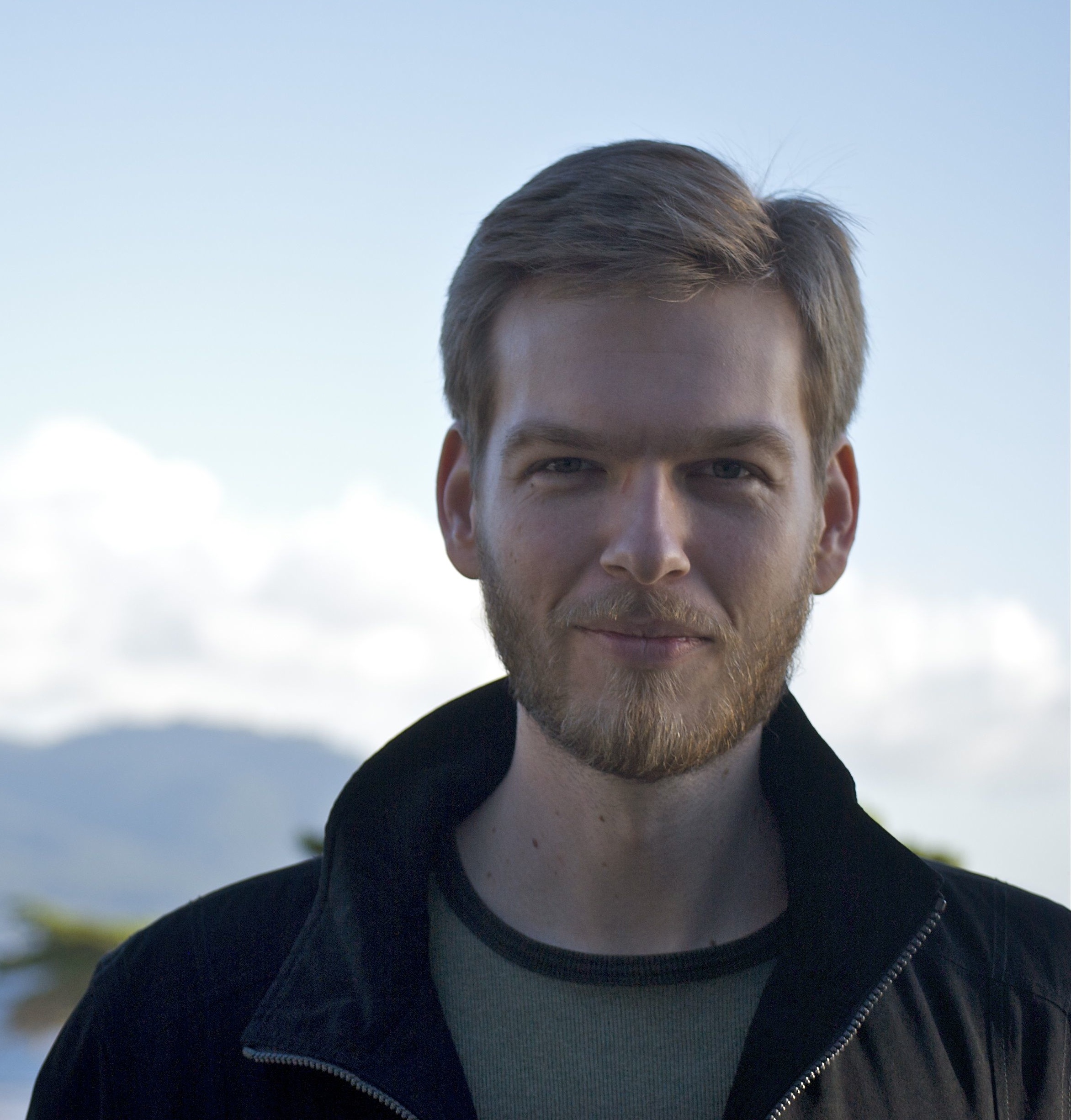
Prior to arriving in Monterey, I served as a Postdoctoral Research Fellow with the International Conflict Research (ICR) group and the Center for Comparative and International Studies (CIS) at ETH Zurich, and at Princeton’s Niehaus Center for Globalization and Governance, after graduating with a Ph.D. in Political Science from Duke University, with concentrations in International Relations and Quantitative Methods. My research focuses on the study of international security, conflict processes, ethnic politics, statistical methods, and computational modeling. I am particularly interested in building new linkages between micro- and macro-level evidence in the study of armed conflict, both within and between states.
My first book project, The Breakdown of Peace, examines the political economy of symbolic national attachments and the emergence of domestic mass violence. The central argument is that the political pursuit of violent fragmentation is less likely to succeed in countries with strong mass media structures, because such structures generate opportunities for political entrepreneurs to successfully deploy inclusive mobilizational appeals on a national scale. This framework thus endogenizes the emergence of intra-state security dilemmas, by describing the structural conditions under which divided group loyalties are more likely to emerge. It also overturns much of the conventional wisdom concerning the relationship between media and collective violence by demonstrating that mass communication networks, which have frequently been blamed for stoking inter-group animosities, can actually serve as powerful forces for domestic peace and stability.